
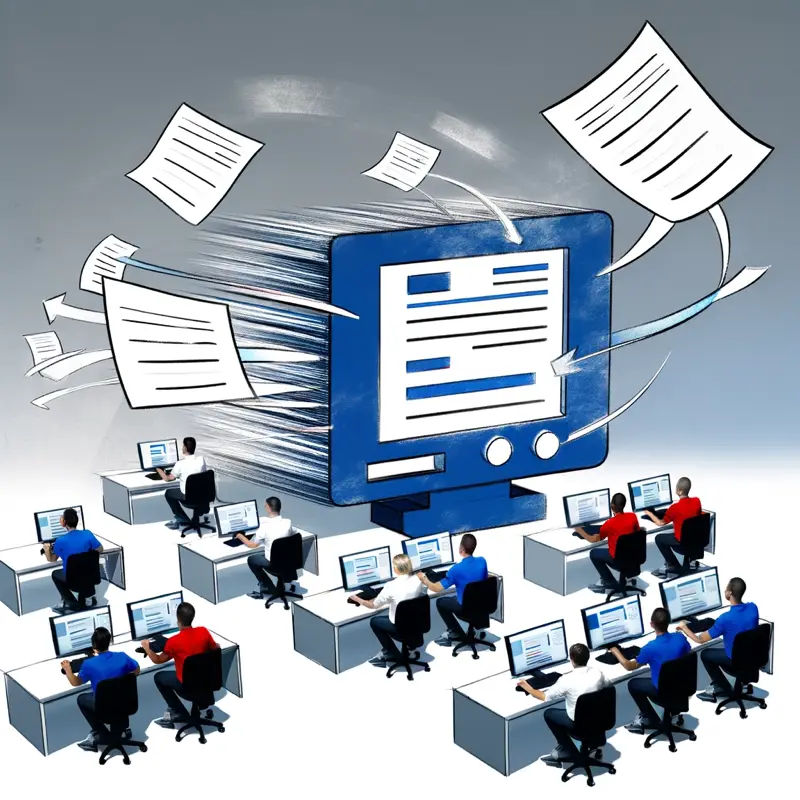
The French e-invoicing reform, which is part of the 2020 finance law, provides for the generalization of e-invoicing in business-to-business (B2B) transactions on French territory. In this context, PDPs (Partner Dematerialization Platforms) play a central role and may represent the solution for enabling businesses not only to comply with the e-invoicing reform, but also to optimize the management of their electronic invoices.
What Is the French E-Invoicing Reform?
Reform Objectives
- Fight against VAT fraud: E-invoicing allows for better tracking of transactions and facilitates controls by the tax administration, thus reducing the risks of fraud.
- Modernization of the economy: By encouraging the digitization of business processes, the reform aims to increase the competitiveness of French businesses.
- Optimization of management processes: Invoice digitization promises to reduce invoice processing and storage costs, while accelerating payment terms.
Implementation Timeline
The implementation of the reform is planned in several stages, spanning from 2023 to 2026, with growing obligations depending on the size of businesses:
- As of July 1, 2026, all businesses subject to VAT in France must be able to receive electronic invoices. Large enterprises will be required to issue invoices in electronic format.
- As of January 1, 2027 , SMBs (small and medium businesses) and micro-businesses must also be able to issue electronic invoices.
How the Reform Works
The reform provides for the obligation for all businesses to receive electronic invoices and accept their transmission to the tax administration for VAT control purposes. Businesses must therefore either equip themselves with compatible e-invoicing solutions or use State-certified PDPs (Partner Dematerialization Platforms).
Role of the PPF (French Public Invoicing Portal)
The PPF (French Public Invoicing Portal), managed by the French State Financial IT Agency (AIFE), plays a central role in this reform. It serves as an exchange platform for electronic invoices between businesses and with public entities. The PPF also ensures the compliance of invoices with established standards.
What Is a PDP?
In the framework of this reform, a PDP (Partner Dematerialization Platform) is a private entity that provides e-invoicing services to businesses, facilitating the issuance, reception, and processing of invoices in a standardized digital format. These platforms play a crucial role in the framework of the reform by acting as intermediaries between businesses and the French tax system. Here are the fundamental aspects that characterize a PDP:
Key Features
- Invoice transmission: PDPs enable the secure transmission of electronic invoices between issuers and receivers, including sending these invoices to the State's PPF (French Public Invoicing Portal).
- Compliance with standards: They ensure that all electronic invoices processed comply with the standards and formats required by French legislation, including the Factur-X format.
- Value-added services: In addition to invoice management, PDPs often offer additional services such as the legal archiving of invoices, format conversion, and financial analysis tools.
Role in the E-Invoicing Reform
PDPs are essential players for the successful implementation of the French e-invoicing reform. They allow businesses of all sizes to comply with the new legal obligations without needing to develop their own e-invoicing solutions. By simplifying the transition process to e-invoicing, PDPs contribute to achieving the reform's objectives, including improving economic efficiency, reducing VAT fraud, and accelerating the digitization of French businesses.
Certification and Security
To operate as a PDP within the framework of the reform, a platform must be certified by the French authorities. This certification guarantees that the PDP complies with the security, confidentiality, and compliance standards necessary to handle sensitive data such as invoices and tax information. Data security is an absolute priority, given the nature of the information managed.
Interoperability
Interoperability is another important aspect of partner dematerialization platforms. They must be able to communicate effectively not only with the PPF (French Public Invoicing Portal) but also with each other, in order to ensure smooth exchange of electronic invoices, regardless of the platform choice by businesses. This ability to operate interoperably ensures complete national coverage and facilitates the adoption of e-invoicing by all businesses, regardless of their size or sector of activity.
Why Choose a PDP to Manage Your Electronic Invoices?
1. Legal Compliance
PDPs are solutions certified by the French tax administration, thus ensuring that businesses comply with legal requirements regarding e-invoicing. By using a PDP, businesses ensure they comply with the required file formats, exchange protocols, as well as data security and archiving standards.
2. Process Simplification
PDPs offer tools that automate and simplify the creation, sending, reception, and processing of electronic invoices. This includes features such as invoice format conversion, integration with accounting or commercial management systems, and intuitive user interfaces to track invoice status.
3. Cost Reduction
Invoice digitization allows for a significant reduction in the costs associated with traditional invoicing, such as printing, postal mailing, physical storage, and the time spent manually managing invoices. PDPs optimize these savings through highly automated processes.
4. Security and Archiving
PDPs ensure the security of exchanged data through encryption protocols and access management systems. They also offer electronic archiving services, allowing businesses to keep their invoices in conditions compliant with legal requirements, thus facilitating audits and tax controls.
5. Interoperability
PDPs are designed to be interoperable with various IT systems and other e-invoicing platforms, including the public portal (Chorus Pro for public procurement, for example). This guarantees a smooth and efficient transition for businesses dealing with many partners and customers.
6. Access to Value-Added Services
Beyond simple invoice management, some PDPs like Flowie offer value-added services such as invoice financing (factoring), dispute management, predictive analytics on payments, or even personalized advice to optimize financial management.
Conclusion
Choosing a PDP to manage e-invoicing allows businesses to effectively comply with French legislation while benefiting from optimized invoicing processes. This represents not only a gain in terms of cost and time but also a significant improvement in the security and traceability of commercial transactions. By anticipating this reform and adapting to best practices, businesses can thus strengthen their competitiveness and capacity for innovation.